
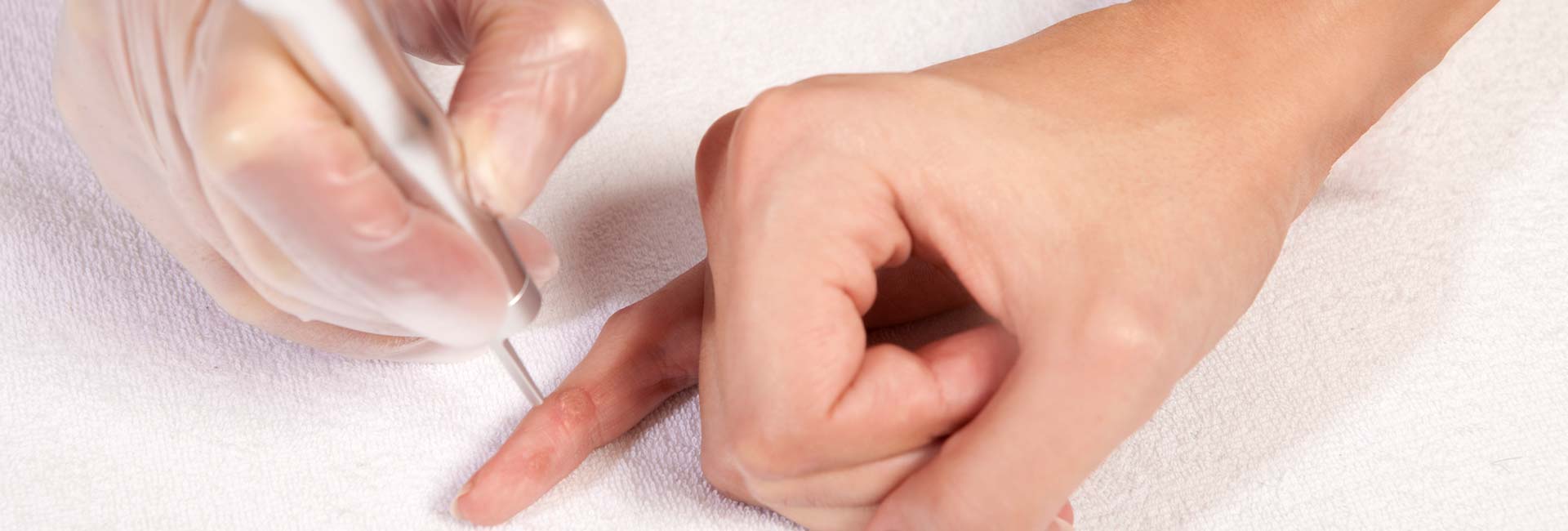
What Causes Warts?

Warts are caused by a strain of human papillomavirus (HPV). It often happens when you come into contact with HPV from others who have it. People with weakened immune systems are more prone to getting warts than others. You can contract HPV from shared towels, clothing, intercourse, and more. It may take a few months for the symptoms to appear.

Symptoms of Warts

  • Rough bumps
  • Black dots
  • Can grow in clusters
  • Can hurt
  • Raised bumps
  • Quick growth

Treatments for Warts

Warts may go away on their own given time. Some minor cases can be treated at home with salicylic acid. If you are experiencing persistent or more severe cases of warts, then an appointment with a dermatologist should be your next step. Top dermatologist, Dr. Krathen can help recommend the right wart removal treatment for you, which may include:

  • Freezing (cryotherapy)
  • Cantharadin (Plus) application
  • Bleomycin injections
  • Fluorouracil prescription therapy

If you have recurring warts, then Dr. Krathen may prescribe some topical medications to help your body fight off the infection.

Warts FAQs

How can I tell if a growth on my skin is a wart or something else?

Warts often appear as rough, raised bumps that may feel grainy to the touch. Some have tiny black dots, which are small blood vessels. However, other skin growths can look similar, including calluses, moles, or lesions. If a bump changes, spreads, bleeds, or does not respond to basic care, a dermatologist can confirm whether it is truly a wart.

Why do warts sometimes appear months after exposure?

The virus that causes warts can remain in the skin without causing visible changes right away. It may take weeks or even months before a wart forms. This delay happens because the virus gradually affects skin cells over time. As a result, it can be difficult to pinpoint when or where exposure occurred, even when you are careful.

Can warts spread to other parts of my body?

Yes, warts can spread through direct contact. Touching a wart and then another area of your skin may transfer the virus, especially if there are tiny cuts or irritation. Shaving over a wart or picking at it can also contribute to spreading. Practicing good hygiene and avoiding trauma to the area can help reduce the likelihood of additional warts developing.

Are warts more common in certain people or environments?

Warts tend to be more common in children, teens, and individuals with weakened immune systems. They are also frequently seen in environments where skin touches shared surfaces, such as locker rooms, pools, gyms, and communal showers. Moist conditions can make it easier for the virus to enter the skin, especially on the feet or hands, after minor breaks in the skin barrier.

Do all warts need to be treated, or can they go away on their own?

Some warts may resolve without treatment as the immune system clears the virus. However, this process can take months or years, and not all warts disappear on their own. If a wart is painful, spreading, bleeding, or bothersome cosmetically, treatment may help speed up removal and reduce the risk of transmission to other areas.

Why do some warts keep coming back after treatment?

Warts can recur because the virus may still be present in the surrounding skin, even after the visible growth is removed. In some cases, the immune system has not fully cleared the infection. Recurring warts may require a different or more targeted treatment approach, especially if they are spreading or painful.

Is it safe to pick, cut, or try to remove a wart at home?

Attempting to remove a wart at home by cutting, picking, or burning it is not recommended. This can lead to pain, bleeding, infection, scarring, or spreading the virus to nearby skin. Over-the-counter treatments may help some minor warts, but professional care is safer for stubborn, sensitive, painful, or uncertain growths that have not improved.

When should I see a dermatologist for wart treatment?

You should consider scheduling a visit if a wart is painful, growing, spreading, or not improving with home care. Warts on sensitive areas like the face or genitals should also be evaluated professionally. Dr. Michael Krathen at Essential Dermatology can assess the wart, confirm the diagnosis, answer questions, and recommend a treatment plan tailored to your needs for safe, effective, comfortable removal options.

Schedule a Consultation

Dr. Krathen offers a range of wart treatments and combinations that can be suited to your unique situation. If you have warts and are seeking a remedy, then come into Essential Dermatology and talk with Dr. Krathen. To get started, call our office at (508) 545-9713 or request a consultation by filling out our online form. To book an appointment, schedule your visit as a new patient using our online scheduler or as an existing patient using the Mass General Brigham Patient Gateway.