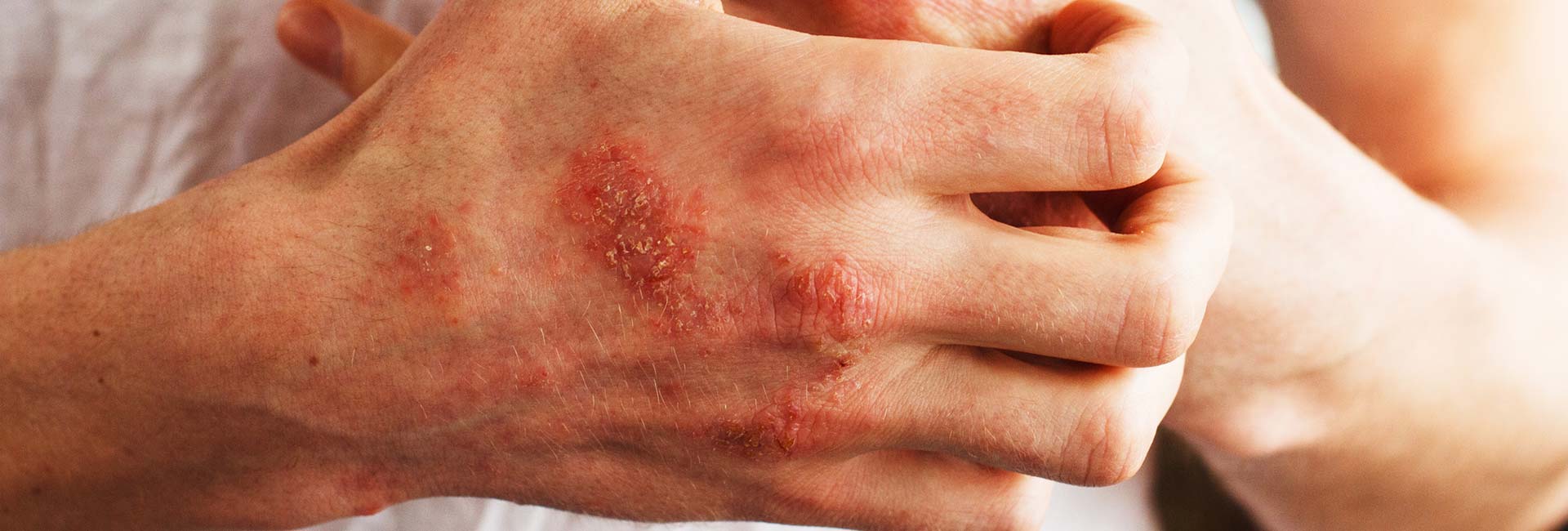
Actinic keratosis is a type of precancerous lesion that is on the skin. It is characterized by rough, itchy patches of skin or bumps that appear on the skin. Most commonly they appear on the face, neck, hands, and lips. AKs affect millions of people every year. If left untreated, these can rarely turn into squamous cell carcinoma. If you have any AKs appear, it is pertinent that you see a dermatologist. Dr. Krathen is a board-certified dermatologist who can help to diagnose the actinic keratosis and find a treatment plan for you. Come into Essential Dermatology in Natick, MA to get started today.

What Causes Actinic Keratosis?

This skin condition is caused by skin damage from ultraviolet radiation. People who get AK’s tend to spend a lot of time outdoors in the sunlight or use tanning bed frequently. People who are naturally fair-skinned, have a weak immune system, or burn easily in the sun are more likely to get AKs than others. Though most of the time AKs go away, anyone who has had one should regularly see a dermatologist. If left untreated then these can develop into cancer.

Symptoms of Actinic Keratosis

  • Pain
  • Itching
  • Burning
  • Dry lips
  • Rough skin patches
  • Scaly
  • Can look like a horn
  • Pink or red
  • Sometimes white or brown

Treatments for Actinic Keratosis

Actinic keratosis is more often felt than seen. If you start to notice symptoms, then consult with a dermatologist. Dr. Krathen will diagnose your AK and find a treatment method that will work best for your lifestyle, symptoms, and concerns. Various forms of treatment are cryotherapy, curettage, chemical peels, and different topical medications. There are many different options that Dr. Krathen may recommend based on the severity of the AKs. Some treatments are done in-office while others can be done at home.

Actinic Keratosis FAQs

What does an actinic keratosis feel like when it first develops?

A lot of individuals feel an actinic keratosis before they can easily see it. The affected area may feel rough, dry, scaly, or sandpaper-like compared to the surrounding skin. Some lesions become tender, itchy, or irritated over time. Because AKs often develop on sun-exposed areas such as the face, scalp, ears, hands, and lips, paying attention to persistent rough patches can help identify them early.

Can actinic keratosis go away without treatment?

Some actinic keratoses may temporarily disappear and later return, while others remain stable for years. However, because it is impossible to predict which lesions could progress toward skin cancer, dermatologists typically recommend evaluation and treatment rather than simply waiting to see what happens. Professional monitoring allows suspicious lesions to be addressed before they become more serious.

How is actinic keratosis different from skin cancer?

Actinic keratosis is considered a precancerous condition rather than an actual skin cancer. The abnormal cells are confined to the upper layers of the skin. However, some AKs can eventually develop into squamous cell carcinoma if left untreated. Since the appearance of an AK can sometimes resemble early skin cancer, a dermatologist may recommend treatment or biopsy to confirm the diagnosis and assess the lesion.

Who is most likely to develop actinic keratosis?

People with fair skin, light-colored eyes, a history of frequent sun exposure, or repeated sunburns are at increased risk. Individuals who work outdoors, enjoy outdoor recreation, or have used tanning beds may also develop AKs more frequently. Patients with weakened immune systems often face a higher risk as well. Even if an actinic keratosis has been successfully treated, future lesions can still develop from prior sun damage.

Can I have multiple actinic keratoses at the same time?

Yes. It is common for patients to develop multiple AKs in areas that have accumulated years of sun exposure. In some cases, clusters of lesions may appear across larger sections of the face, scalp, chest, or hands. When numerous lesions are present, Dr. Michael Krathen may recommend treatment approaches that target both visible and underlying sun-damaged cells within the affected area.

What should I expect after actinic keratosis treatment?

Recovery depends on the treatment method used. Some treatments may cause temporary redness, flaking, crusting, or sensitivity as the damaged skin heals. These reactions are often a normal part of the treatment process. Dr. Krathen will provide specific aftercare instructions and explain what type of healing response is expected. Following these recommendations carefully can help support optimal results and comfort.

How can I help prevent future actinic keratoses?

The most effective prevention strategy is protecting your skin from ultraviolet radiation. Daily use of broad-spectrum sunscreen, protective clothing, wide-brimmed hats, and seeking shade during peak sunlight hours can significantly reduce additional sun damage. Avoiding tanning beds is also important. Regular skin examinations with a dermatologist allow new lesions to be identified early, when treatment is often simpler and more effective. Because actinic keratoses are a sign of cumulative sun exposure, maintaining consistent sun protection habits can help reduce the likelihood of developing additional lesions and support long-term skin health.

Schedule a Consultation

If you have noticed symptoms of actinic keratosis or have had AKs before, then you should seek out a dermatologist. Dr. Krathen is a board-certified dermatologist practicing in Natick, MA at Essential Dermatology. He can diagnose your AKs and find the right treatment method for you. To get started, call our office at (508) 545-9713 or request a consultation by filling out our online form. To book an appointment, schedule your visit as a new patient using our online scheduler or as an existing patient using the Mass General Brigham Patient Gateway.

Meet Dr. Michael Krathen

Dr. Michael Krathen is a board-certified dermatologist with over a decade of medical training and experience. He studied biology and Spanish, graduating summa cum laude from the University of Pennsylvania, where he also completed medical school. His training included a medical internship at the Beth-Israel Deaconess Medical Center in Boston and a dermatology residency at the combined Boston University/Tufts Residency Program.

Author of various medical journal articles, Dr. Krathen taught at Stanford University School of Medicine and the VA Hospital in Jamaica Plain.

Connect Dr. Michael Krathen on LinkedIn

Credentials You Can Trust

American Academy of Dermatology
American Society for Dermatologic Surgery
New England Dermatological Society
Alpha Omega Alpha
Massachusetts Academy of Dermatology
Dr. Michael Krathen


Success Stories