
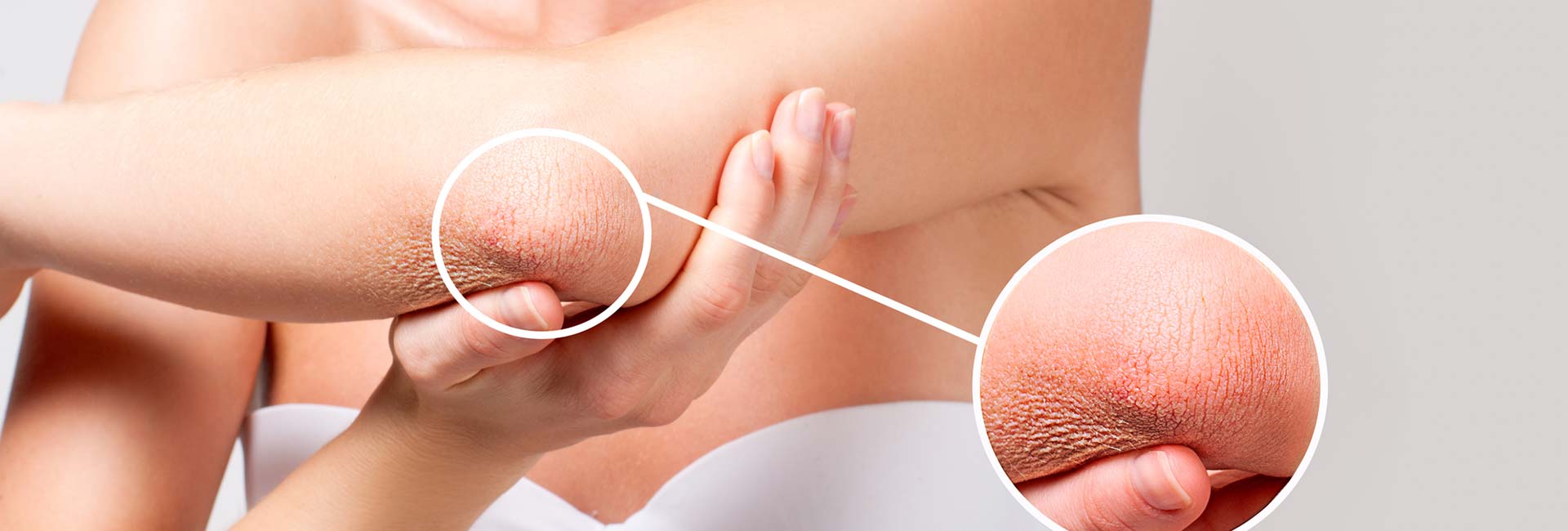
One of the most common skin conditions in children and adults is eczema. Also referred to as atopic dermatitis, eczema affects about 90% of people before the age of five. It affects about 30 million American adults today. There are several different types of eczema such as atopic, contact dermatitis, dyshidrotic eczema, nummular eczema, seborrheic eczema, and stasis eczema. These different kinds all have different triggers and various symptoms. A good example of another form of dermatitis is an allergic rash. This is known as contact dermatitis. It happens when you encounter an allergen trigger. By speaking with Dr. Krathen at Essential Dermatology, a board-certified dermatologist with extensive experience in eczema care, he can diagnose your eczema and start a treatment plan.
What Causes Eczema?
Eczema is caused by a range of things. Researchers have found that people who get this skin condition often have family members with it as well as having asthma or hay fever. By speaking with a dermatologist like Dr. Krathen, he can help to diagnose the type of eczema you have and find the root cause in order to start treatment. It is important to remember that this is not contagious, and you cannot get it through contact with someone who has eczema.
Symptoms of Eczema
- Dry, sensitive skin
- Itching
- Red, inflamed skin
- Dark-colored patches on the skin
- Areas of swelling
- Oozing or crusting
- Rough, leathery patches of skin
Treatments for Eczema
There is no cure for eczema, but it can be managed with treatment. Remedies will vary depending on your symptoms and the type of eczema that you have. Different options include certain skincare methods and some lifestyle changes. Dr. Krathen may use topical medicines, oral medications, or injection therapies suchas Dupixent to help manage your eczema symptoms. To help ease discomfort, moisturizers are helpful for some symptoms as well. Dr. Krathen can help to find products that will work for you to ease any discomfort.
Eczema FAQs
Why does my eczema flare up even when I follow the same skincare routine every day?
Eczema can be unpredictable because flare-ups are not always tied to one obvious change. Even if your skincare routine stays consistent, environmental factors like weather shifts, humidity, stress, or allergens can trigger inflammation. Internal factors such as immune responses also play a role. A dermatologist can help identify subtle patterns and recommend adjustments to better control recurring flare-ups.
Is eczema only a childhood condition, or can it develop later in life?
Although eczema often begins in childhood, it can absolutely appear for the first time in adulthood. Adult-onset eczema may look different and can sometimes be mistaken for other skin concerns. Triggers such as stress, environmental exposure, or skin barrier changes may contribute. Proper diagnosis ensures that treatment is tailored to the specific type and presentation.
Why does eczema tend to worsen at night?
Many patients notice increased itching in the evening. This can be due to natural changes in the body’s circadian rhythm, including increased blood flow to the skin and reduced cortisol levels, which normally help control inflammation. Additionally, fewer distractions at night make itching more noticeable. Keeping skin hydrated and following a consistent nighttime routine may help reduce discomfort.
Can certain fabrics or clothing make eczema symptoms worse?
Yes, clothing can significantly impact eczema-prone skin. Rough or synthetic materials like wool or polyester may irritate sensitive areas, while tight clothing can trap heat and sweat, worsening itching. Soft, breathable fabrics such as cotton are typically better tolerated. Choosing gentle laundry detergents without fragrances can also help reduce skin irritation.
How does stress affect eczema, and what can be done about it?
Stress is a common trigger that can worsen eczema symptoms or lead to flare-ups. When the body is under stress, it releases hormones that may increase inflammation and sensitivity in the skin. Managing stress through relaxation techniques, exercise, or improved sleep habits can support overall skin health alongside medical treatment.
Is it possible for eczema to affect different parts of the body at different times?
Eczema can appear in various areas and may shift locations over time. In children, it often affects the face and outer limbs, while adults may notice it more on the hands, neck, or inside the elbows and knees. Changes in environment, exposure, or irritation can influence where flare-ups occur, making personalized care especially important.
What steps can I take at home to help reduce the frequency of flare-ups?
Consistent skin care plays a key role in managing eczema. Using gentle, fragrance-free products, moisturizing regularly, and avoiding known irritants can help maintain the skin barrier. Short, lukewarm showers and patting the skin dry instead of rubbing may also reduce irritation. Identifying and minimizing triggers is an important part of long-term management.
When should I see a dermatologist for eczema instead of managing it on my own?
If eczema symptoms are persistent, worsening, or interfering with daily life, it may be time to seek professional care. A dermatologist like Dr. Michael Krathen at Essential Dermatology can evaluate your condition, confirm the diagnosis, and create a personalized plan. Early guidance may help prevent more severe flare-ups and improve long-term skin comfort.
Schedule Your Consultation
If you or your child are dealing with some form of eczema, then talk to Dr. Krathen at Essential Dermatology to create a personalized treatment plan. To get started, call our office at (508) 545-9713 or request a consultation by filling out our online form. To book an appointment, schedule your visit as a new patient using our online scheduler or as an existing patient using the Mass General Brigham Patient Gateway.


