
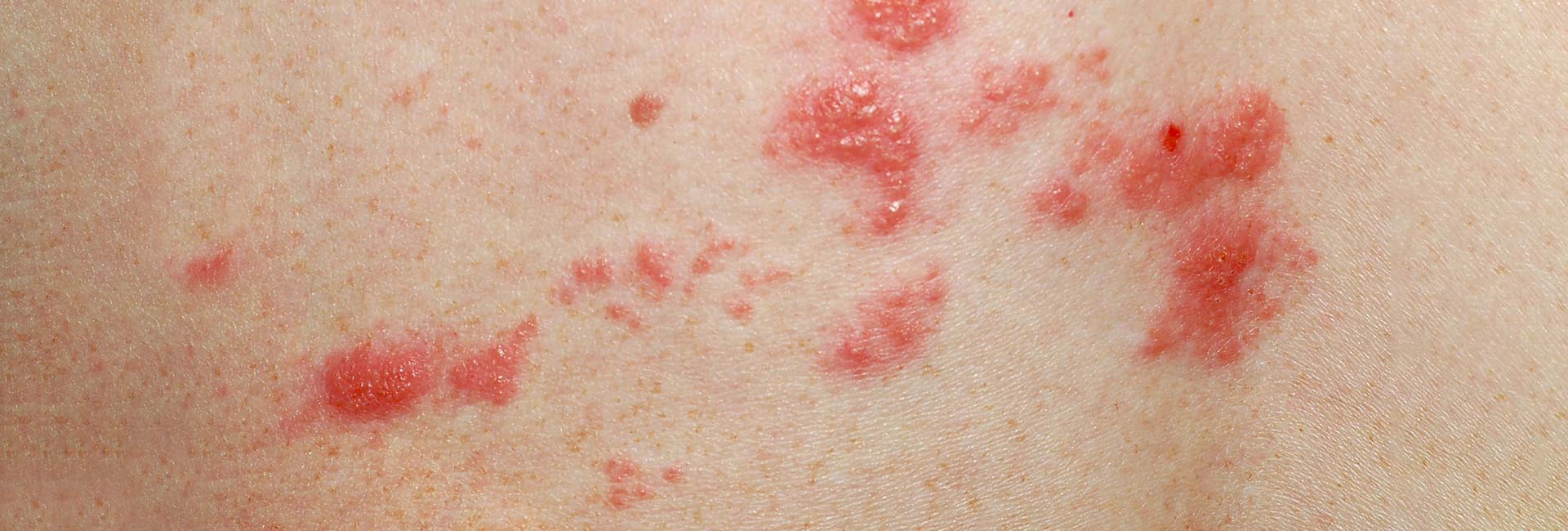
Shingles come from the same virus that causes chickenpox. If you have had chickenpox, then you can get shingles since the virus stays in the body. Most people who get this condition are older than 50 years of age. Shingles is a painful, blistering rash that can occur almost anywhere on the body. If you have started to notice symptoms of shingles, then come into Essential Dermatology to meet with Dr. Krathen, a board-certified dermatologist with extensive clinical experience. He can help to create a treatment plan for you to get rid of the symptoms.
What Causes Shingles?
In order to get shingles, you must have had chickenpox at some point in your life. Though shingles are much less contagious, people who encounter the virus who have not had it before or who have not had the vaccine can get chickenpox. Some people are at a higher risk of developing shingles if they are 50 years of age or older, under great stress, have a weakened immune system, or have had an illness or injury recently. It is unclear exactly what causes the virus to wake up in order to cause the shingles, but many researchers suggest that a weakness of the immune system is most likely to blame.
Symptoms of Shingles
- Rash
- Blisters
- Itching
- Burning
- Pain
- Flu-like symptoms
Treatments for Shingles
Shingles typically can clear on its own within a few weeks, but it can be uncomfortable and painful to deal with. Dr. Krathen offers different remedies to ease the symptoms. Most common treatments include pain relievers, anti-viral medications, and anti-itch creams. For more serious cases of Shingles, you may need injections of nerve-blockers to help with the pain. Dr. Krathen will create a treatment plan that works for you based on your symptoms and concerns. To manage this condition, Dr. Krathen can also give you some at-home remedial tips.
Shingles FAQs
How can I tell whether a painful rash might be shingles instead of another skin condition?
Shingles can sometimes be mistaken for insect bites, allergic reactions, irritation, or other rashes during the early stages. One characteristic that often makes shingles feel different is that symptoms may begin with unusual sensations before the rash becomes fully visible. Patients sometimes describe tenderness, tingling, sensitivity, discomfort, or burning in one specific area of the body before skin changes appear. The rash often follows a more localized pattern rather than appearing randomly across multiple areas. Because timing and symptom progression matter, an evaluation may help distinguish shingles from other causes of skin irritation and discomfort.
Can shingles affect places other than the chest or torso?
Yes. Although many people associate shingles with the chest or sides of the body, it can develop in other areas. Shingles may affect the face, scalp, neck, arms, legs, or other areas, depending on which nerves are involved. Symptoms and discomfort can vary significantly based on location. Certain areas may feel more sensitive or disruptive to daily activities than others. Because location may influence symptom management and overall comfort, personalized evaluation can help determine the most appropriate next steps.
Why does shingles sometimes continue to feel uncomfortable after the rash improves?
For some individuals, discomfort may last longer than visible skin changes. Since shingles involves nerve pathways beneath the skin, sensations may persist even after the rash begins to heal. Patients sometimes describe lingering sensitivity, unusual skin sensations, or discomfort in areas that otherwise appear improved. Not everyone experiences prolonged symptoms, but understanding that recovery can involve more than visible healing may help set realistic expectations and encourage timely management when symptoms persist.
Can stress influence the development or timing of shingles?
Stress is often discussed because many patients notice shingles appearing during periods of major life changes, illness, fatigue, or increased physical or emotional demands. While stress alone is not considered a direct cause, it may influence overall wellness and how the body responds to dormant viruses. Sleep disruption, recovery from illness, and changes in daily routines may also contribute to periods when the body feels more vulnerable. Looking at overall health patterns can sometimes provide helpful context when discussing shingles symptoms.
Is shingles always severe, or can symptoms vary from person to person?
Symptoms can vary widely. Some individuals experience mild irritation and limited skin involvement, while others notice more significant discomfort or broader symptom effects. The severity does not always match how noticeable the rash appears. Factors such as age, overall health, timing of evaluation, and where symptoms develop may all influence the experience. Because every case is different, individualized care may help patients better understand what to expect during recovery.
Should I avoid certain activities while dealing with shingles symptoms?
Many patients wonder whether daily routines need to change during recovery. Depending on symptom severity and skin sensitivity, it may be helpful to avoid activities that create friction, irritation, overheating, or discomfort in affected areas. Gentle skin care and attention to overall comfort may support recovery. Patients may also choose to temporarily modify their clothing choices and daily habits as symptoms improve. Recommendations can vary depending on the location and intensity of symptoms.
Does early evaluation make a difference when shingles symptoms begin?
Many patients delay care because they assume the rash will simply disappear on its own. However, recognizing symptoms early may help patients better understand available treatment approaches and supportive care options. Early assessment can also help distinguish shingles from other conditions that may appear similar initially. Patients in Natick, Needham, and surrounding Massachusetts communities often benefit from individualized guidance focused on symptom relief, skin recovery, and helping them return to normal routines more comfortably.
Schedule a Consultation
If you have shingles come into Essential Dermatology to get started on a treatment plan. Shingles can be a painful and embarrassing condition to deal with, the sooner you start the treatment the sooner the symptoms can subside, and you can get back to your life. Call our office today at (508) 545-9713 or request a consultation by filling out our online form. To book an appointment, schedule your visit as a new patient using our online scheduler or as an existing patient using the Mass General Brigham Patient Gateway.


