
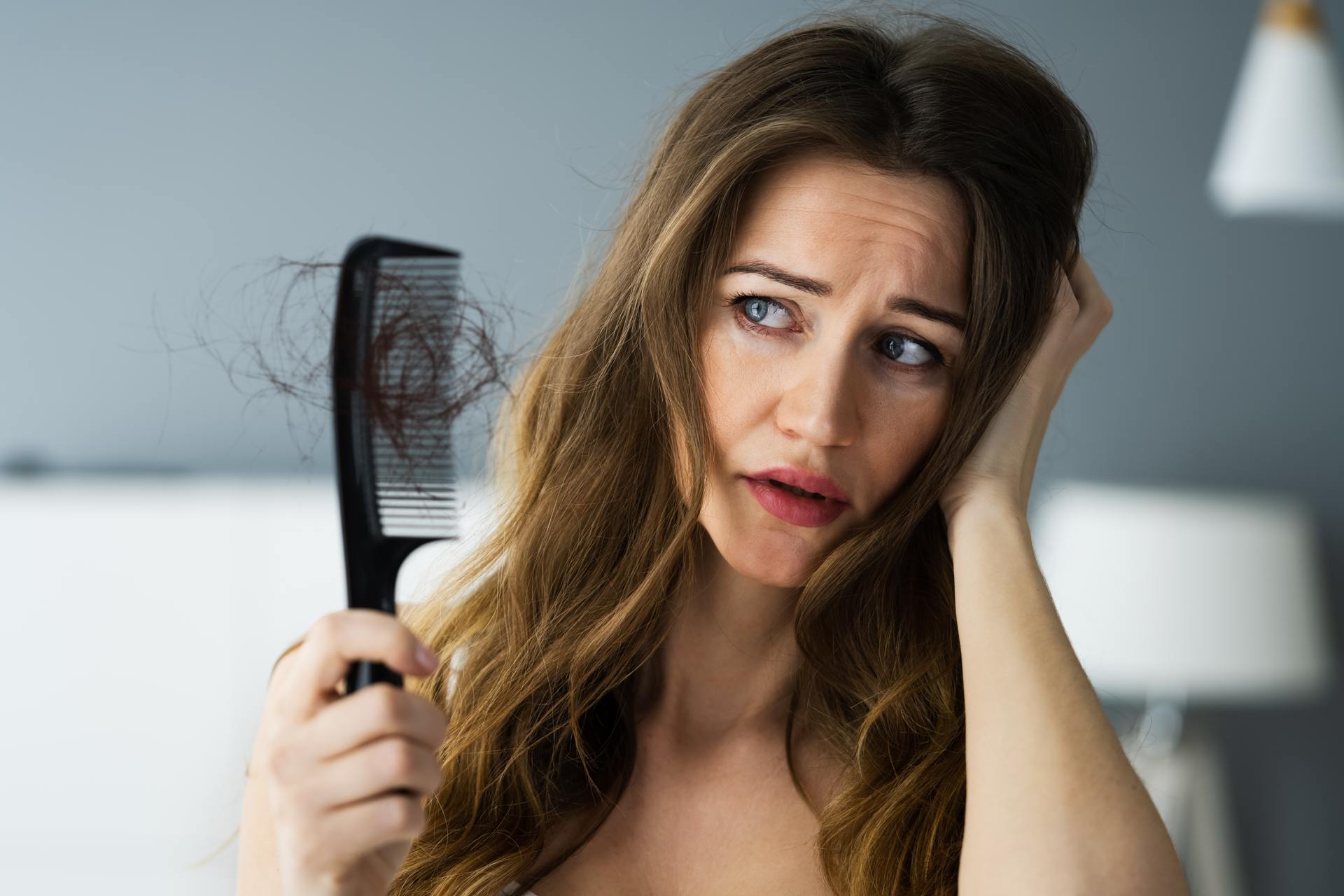
Hair loss is a very common condition. Many people experience hair loss due to genetics, which is typical with male-patterned baldness. Others experience hair loss due to a disease known as alopecia. Whether hair loss is genetic or due to alopecia, it can cause major self-confidence issues for those who are experiencing it. At Essential Dermatology, our team will work with you to find a remedy for your hair loss so that you feel confident once again.

What Causes Hair Loss?

Contrary to popular belief, hair loss affects both men and women. Most commonly, hair loss is caused by genetics, which results in thinning or baldness. Other people suffer from hair loss due to alopecia. While there are various forms of alopecia, most researchers say that an autoimmune disease causes it. This is when the body attacks its own cells or hair follicles, causing them to die off. This causes the loss of hair in the affected areas. Other ways that people experience hair loss are due to hormonal changes, such as during menopause or major times of stress. Diet and nutrition can also affect your hair. If you are dealing with this condition, then come see board-certified dermatologist, Dr. Krathen an experienced hair loss treatment specialist at Essential Dermatology, to get a diagnosis and treatment started.

Symptoms of Hair Loss

  • Patches of hair loss
  • Baldness on the scalp
  • Hair loss on the body
  • Major shedding

Treatments for Hair Loss

To find the right treatment option for you, Dr. Krathen will want to learn about your medical history, allergies, family history, lifestyle, and more. This way, he will be able to find the root cause of your hair loss and then make a treatment plan. Popular treatments for hair loss include topical, oral, and injected medications as well as platelet-rich plasma. Dr. Krathen will examine the severity of your hair loss and learn about your concerns to find a treatment that will be effective for you.

Nutrafol

At Essential Dermatology, we are excited to introduce Nutrafol for hair thinning and loss. This treatment uses a hair growth nutraceutical taken orally to help with hair growth for those experiencing issues maintaining hair thickness on the scalp. These supplements can be purchased in three-month supplies and can only be obtained from a dedicated medical professional—not over-the-counter. Nutrafol offers special solutions for both men and women, as well as vegan alternatives and breastfeeding-friendly options. When you visit our team at Essential Dermatology in Natick and Needham, Massachusetts, we can discuss the Nutrafol options available that are best suited for your unique situation. If you would also like to learn more about and/or purchase this treatment, please visit our website here.

Hair Loss FAQs

How can I prevent hair loss?

There are many sources of thinning hair. So, the answer to this question really depends on the nature of your hair loss. You may be able to protect the health of your scalp and hair by:

  • Using gentle brushing and styling techniques that avoid pulling at the hair
  • Avoiding tight styles that are associated with traction alopecia, for instance, buns or braids that create significant tension at the scalp
  • Minimizing chemicals and excessive heat from straightening irons, relaxers, and other products
  • Protecting your hair from the effects of UV light/sun exposure
  • Incorporating more nutritious foods into your diet to fuel the health of your hair from within

What do you consider before recommending the best treatment for me?

Your personalized treatment plan is based on a thorough examination of your hair and scalp, as well as a review of your health history. Our specialists account for the nature and pattern of hair loss, as well as your hair care, medical conditions, medications, lifestyle, and diet.

What is alopecia areata?

While alopecia refers to hair loss in general, areata is the term for baldness or thinning in patchy areas. It can also affect other parts of your body, not just your scalp. This autoimmune condition causes your immune system to turn on your hair follicles, mistakenly recognizing them as foreign invaders. When this happens, your hair may fall out in clumps.

What other medical conditions can cause hair loss?

Other autoimmune conditions are associated with hair loss, including lupus and psoriasis. Thyroid diseases can cause thinning, because they may disrupt the hormones that are responsible for how your hair grows/the growth cycle. Other hormonal conditions, such as Polycystic Ovary Syndrome (PCOS), are associated with thinning at the crown.

And what medications are associated with hair loss?

Several classes of medications can produce distinctive types of hair loss. For instance, anagen effluvium is commonly associated with chemotherapy. It is characterized by severe hair loss that can also affect the eyebrows, eyelashes, and other parts of the body. The most common drug-induced hair loss, telogen effluvium, usually starts 2-4 months after beginning a drug, and involves significant shedding. Other medications that contribute to drug-induced shedding and hair loss include blood thinners and anticonvulsants.

How do I prepare for treatment?

With so many different treatment options, it depends on the recommended treatment. For instance, before certain topical solutions are applied, it’s important to ensure your scalp is thoroughly free of product build-up. Your scalp should be thoroughly clean and generally healthy – no signs of sunburn, sores, or psoriatic plaques. An in-office procedure, PRP does require that you potentially discontinue taking certain supplements or medications. These include blood thinners and NSAIDs that may increase your risk of bruising and other complications.

How should I care for my scalp after treatment?

We’ll provide you with instructions specific to your treatment plan. Apply products exactly as specified. Failure to take medications as advised can impede the cycle of hair growth and may dilute the absorption and effectiveness of the product. With PRP, it’s important to avoid applying excessive heat or any activities that could result in intense sweating (such as strenuous exercise) at first. We can advise on when to resume taking certain medications and the right cleansing products and techniques to support healing and the best outcomes.

Schedule a Consultation

Hair loss can be a hard thing to live with. Many people with this condition suffer from low self-esteem and self-confidence. To help you regain confidence, Dr. Krathen offers a variety of treatments to address this condition. 

To get started on your journey to a more confident you, call our office at (508) 545-9713 or request a consultation by filling out our online form. To book an appointment, schedule your visit as a new patient using our online scheduler or as an existing patient using the Mass General Brigham Patient Gateway. 

Meet Dr. Michael Krathen

Dr. Michael Krathen is a board-certified dermatologist with over a decade of medical training and experience. He studied biology and Spanish, graduating summa cum laude from the University of Pennsylvania, where he also completed medical school. His training included a medical internship at the Beth-Israel Deaconess Medical Center in Boston and a dermatology residency at the combined Boston University/Tufts Residency Program.

Author of various medical journal articles, Dr. Krathen taught at Stanford University School of Medicine and the VA Hospital in Jamaica Plain.

Connect Dr. Michael Krathen on LinkedIn

Credentials You Can Trust

American Academy of Dermatology
American Society for Dermatologic Surgery
New England Dermatological Society
Alpha Omega Alpha
Massachusetts Academy of Dermatology
Dr. Michael Krathen


Success Stories