
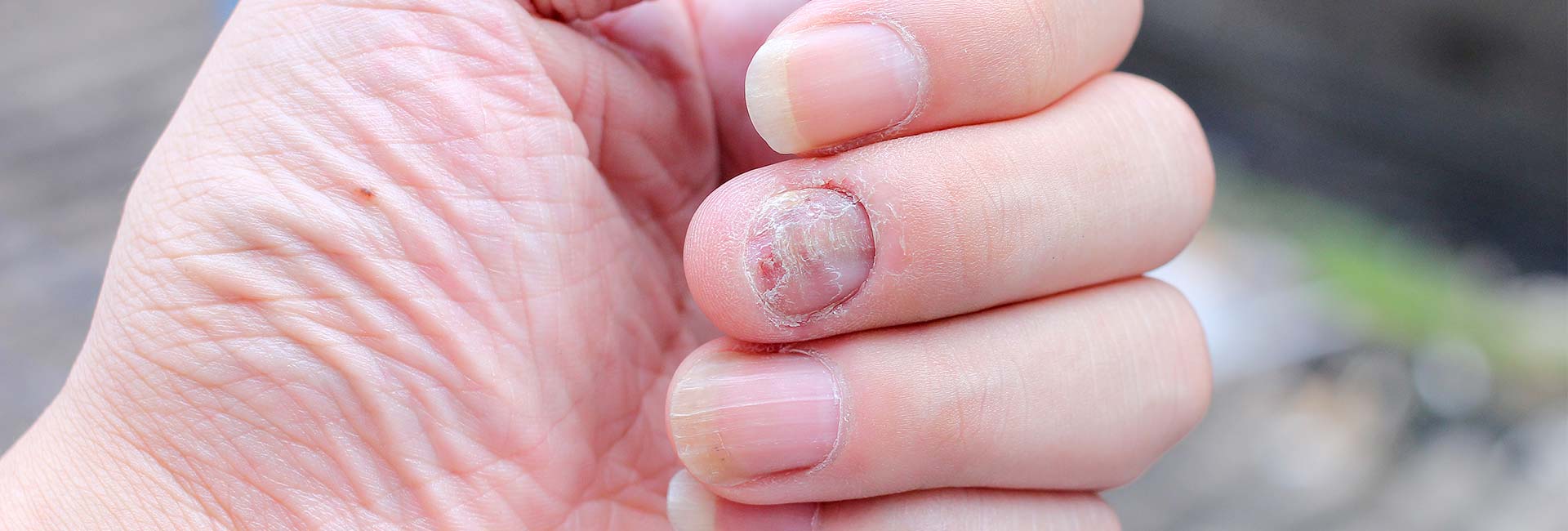
Fungal infections are skin conditions that are caused by bacteria. There is always bacteria and fungi that live on the skin, but sometimes they start to multiply causing blisters, sores, burning, and inflammation. Fungal infections on skin and nails are easily treated. But if they are left untreated, bigger problems can occur. If you start to notice any symptoms of an infection, then contact board-certified dermatologist, Dr. Krathen at Essential Dermatology to get a treatment plan started.
What Causes Fungal Infections?
This condition is typically caused by yeast and dermatophytes. Both types of bacteria can cause infections on the body. Yeast infections can affect the skin, nails, mouth, vagina, and gut. This bacteria lives on the skin but can multiply. If an infection occurs in the nails, then this can result in painful swelling. If it is left untreated, the nail could separate from the nailbed. Dermatophyte is a fungus that lives in dead tissues such as skin cells or nails. If a dermatophyte multiplies, it can cause blisters and a scaly rash. When nails are affected, they can become thick, split, or fall from the nailbed.
People typically get fungal infections when they have skin-to-skin contact with someone who has a fungal infection. Also, people can get them when walking barefoot in warm, moist climates. Some people even get them from re-wearing sweaty clothes. Common types of skin infections are athletes’ foot, jock itch, and ringworm.
Symptoms of Fungal Infections
- Peeling
- Redness
- Itching
- Burning
- Scabs
- Blisters
- Sores
- Nail Discoloration
- Separation of Nails
Treatments for Fungal Infections
Typically, fungal infections are treated with medications like antifungal powder, creams, and hydrocortisone. If you are experiencing symptoms of infection, then come see Dr. Krathen to get a proper diagnosis. If you have a history of cancer, diabetes, HIV, or other chronic diseases, you are more likely to contract some type of fungal infection.
Fungal Infections FAQs
Can fungal infections cause permanent nail damage?
Fungal infections involving the nails are often more difficult to treat than those affecting the skin. When the infection remains untreated, it may gradually change the nail’s color, shape, thickness, and texture. Over time, the nail can become fragile, distorted, or separate from the underlying nail bed. While many patients experience improvement with appropriate treatment, long-standing infections may take considerable time to resolve because nails grow slowly. Seeking treatment early can help preserve nail health and reduce the likelihood of lasting cosmetic changes.
Are fungal infections more common during certain times of the year?
Yes. Warm, humid weather can create favorable conditions for fungal organisms to thrive. During the summer months, increased sweating and prolonged exposure to moisture may contribute to a higher incidence of certain fungal infections. However, fungal conditions can occur throughout the year. Indoor environments, occlusive footwear, athletic activities, and prolonged skin moisture can all contribute to fungal growth regardless of the season.
Can stress affect my risk of developing a fungal infection?
Stress itself does not directly cause fungal infections, but it can influence the body’s overall health and immune response. When the immune system is not functioning optimally, the skin may be less effective at controlling naturally occurring microorganisms. In some individuals, periods of physical or emotional stress appear to coincide with recurrent skin concerns, including fungal infections. A dermatologist can help determine whether additional factors may be contributing to recurring symptoms.
Why do fungal infections sometimes look different from person to person?
The appearance of a fungal infection depends on several variables, including the type of fungus involved, the area of the body affected, skin tone, and the individual’s immune response. Some people develop redness and scaling, while others experience cracking, blistering, discoloration, or itching. Because symptoms vary widely, fungal infections can sometimes resemble eczema, psoriasis, dermatitis, or other skin conditions. Professional evaluation helps ensure an accurate diagnosis and appropriate treatment plan.
Can fungal infections affect children as well as adults?
Yes. Fungal infections can occur in people of all ages. Children may develop fungal infections through close contact with infected individuals, contaminated surfaces, household pets, or shared items. Certain infections are particularly common among school-aged children because of frequent physical interaction and participation in sports or recreational activities. Early treatment can help relieve symptoms and reduce the likelihood of spreading the infection to others.
What should I do if over-the-counter treatments are not working?
If symptoms continue despite using nonprescription products, it may be time for a professional evaluation. The condition may require a stronger prescription treatment, or the diagnosis may be something other than a fungal infection. Continuing ineffective treatment can delay improvement and allow symptoms to worsen. Dr. Michael Krathen can examine the affected area, determine the underlying cause, and recommend a treatment strategy tailored to your specific condition.
Can fungal infections come back even after they appear to be gone?
Yes, recurrence is possible, especially if the environment that allowed the infection to develop remains unchanged. Fungal organisms can sometimes persist in shoes, clothing, athletic equipment, or other personal items. Certain medical conditions and lifestyle factors may also increase susceptibility. Following all treatment instructions, maintaining good skin care habits, and attending follow-up visits when recommended can help reduce the chance of recurrence. If infections continue to return, Dr. Krathen can investigate potential underlying causes and develop a more comprehensive management plan to help protect your skin and nails moving forward.
Schedule a Consultation
Fungal infections can be painful, unpleasant, and difficult to deal with. By seeing a board-certified dermatologist such as Dr. Krathen, you can get some relief. To get started, call our office at (508) 545-9713 or request a consultation by filling out our online form. To book an appointment, schedule your visit as a new patient using our online scheduler or as an existing patient using the Mass General Brigham Patient Gateway.


